Academic Cooperation Can Help Deepen Relations Between Iran and Singapore
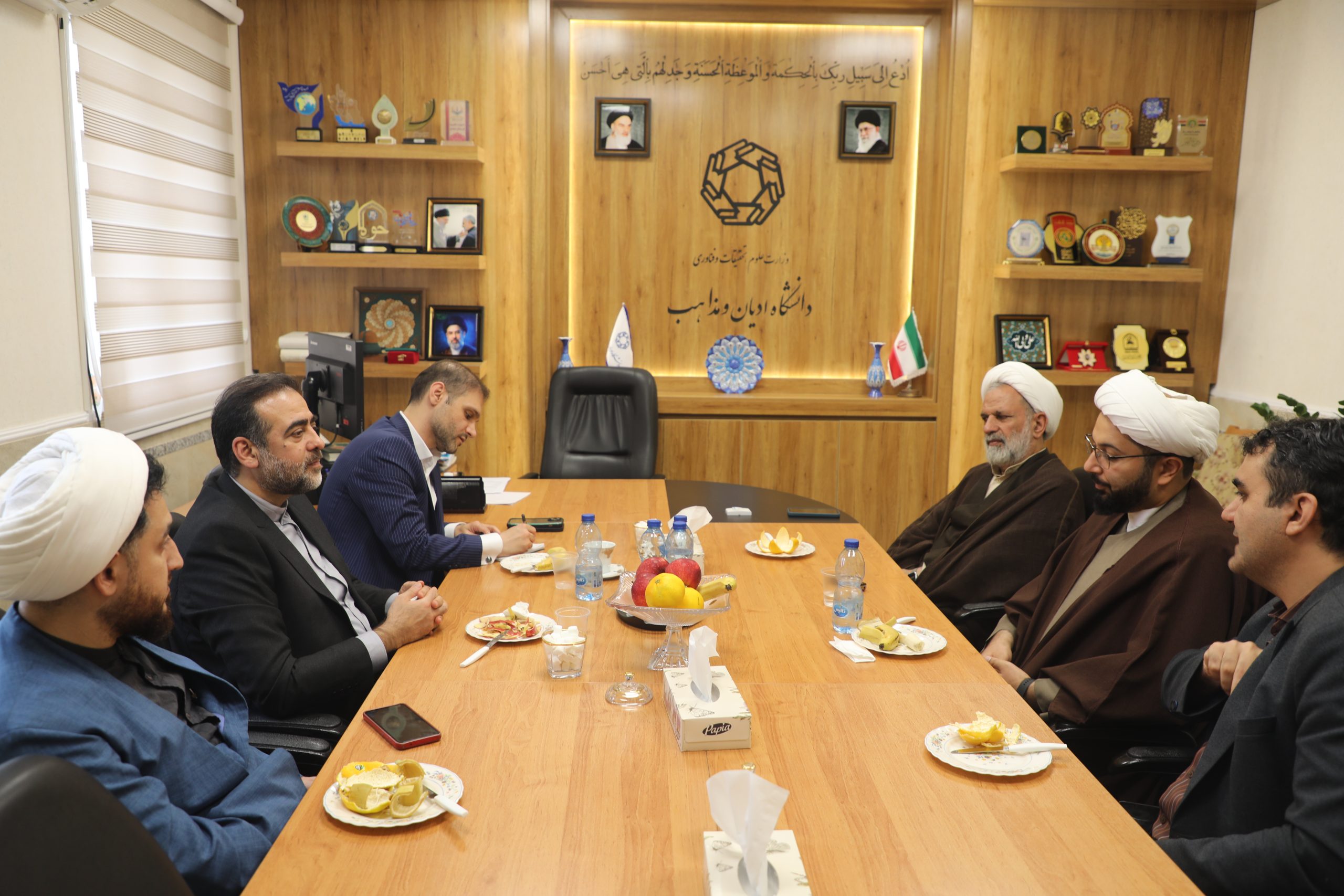
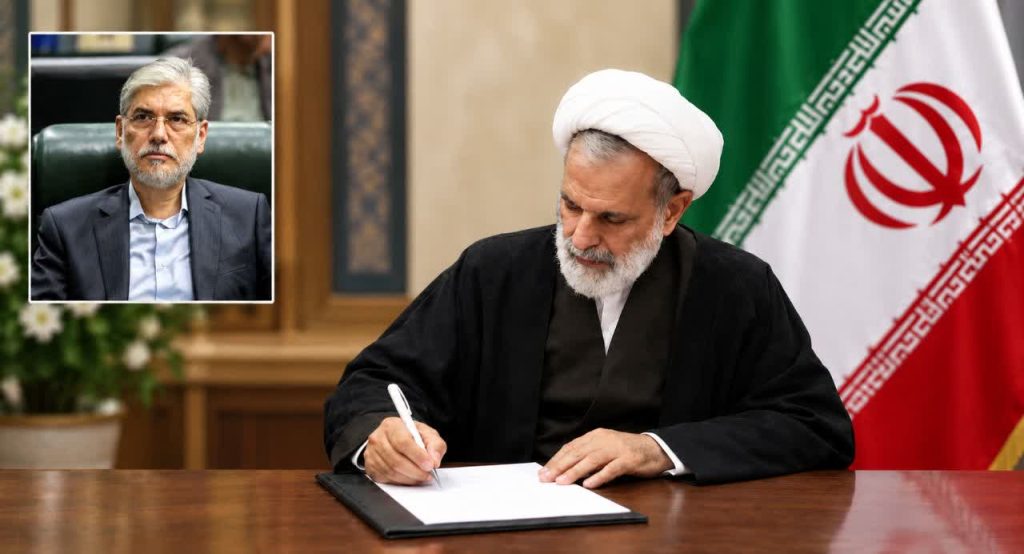
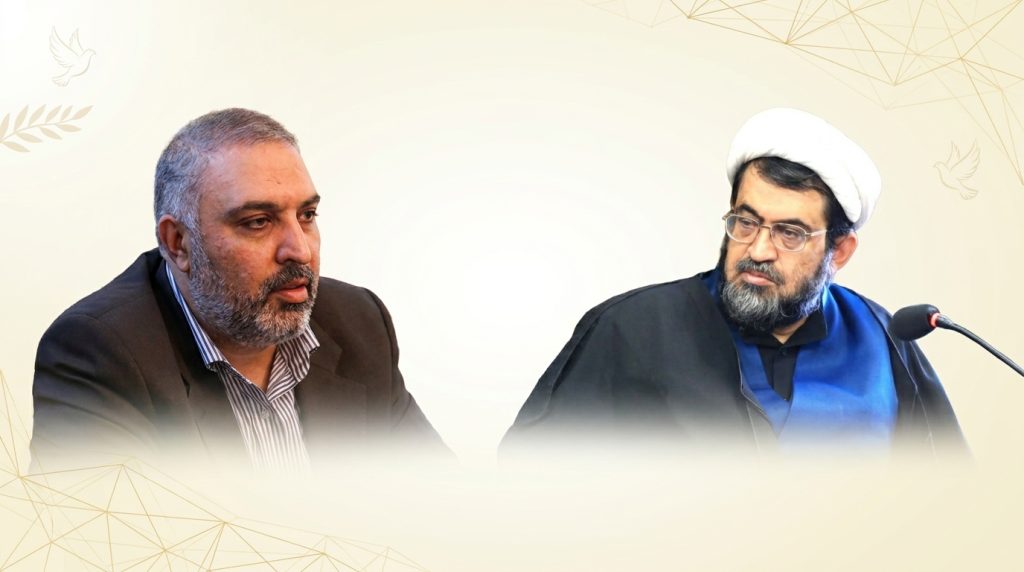
Dr. Mostafa Jafar Tayyari, President of the University, met with Dr. Ahmad Safari, Ambassador of the Islamic Republic of Iran to Singapore, to discuss ways of expanding academic, research and cultural relations between the two countries.
The meeting focused on the university’s academic and international standing, Singapore’s capabilities in higher education and religious studies, and potential areas of cooperation with Singaporean universities and religious institutions.
Dr. Jafar Tayyari emphasized Singapore’s strategic position in Southeast Asia, its advanced higher education system and its remarkable ethnic and religious diversity. He noted that these characteristics make the country an ideal setting for interfaith dialogue, mutual understanding and academic research on religions.
He explained that the University of Religions and Denominations was established to promote interreligious dialogue, encourage mutual understanding among followers of different faiths. He added that international engagement has been an integral part of the university’s identity since its establishment.
Highlighting the university’s international experience, Dr. Jafar Tayyari stated that it has hosted more than 500 international delegations and established academic partnerships with institutions across several continents, including Europe, Africa, Asia and the Americas. He stressed that meaningful academic cooperation should not be measured solely by the number of formal memoranda of understanding, as sustained research partnerships can also develop without formal agreements.
He also referred to the university’s experience in organizing 13 specialized Shi’a Studies courses attended by diplomats and prominent figures from countries including France, Switzerland and Kenya. While emphasizing the importance of in-person educational programs, he noted that the university had expanded its online international courses since 2022.
The university’s research activities, publications and specialized research centers were also highlighted. According to Dr. Jafar Tayyari, university researchers include scholars ranked among the world’s top two percent of researchers. The institution also operates research centers specializing in Religions and Denominations, Women and Family, as well as a Center for Peace and Dialogue, which focuses on interreligious dialogue, interdenominational dialogue and human rights.
Regarding potential cooperation with Singapore, he proposed several areas of mutual interest, including religion and the environment, religion and childhood, kindness in religious traditions, human dignity and social ethics. He also expressed the university’s readiness to cooperate through joint educational programs, faculty exchanges, collaborative research projects and student exchange initiatives.
Dr. Ahmad Safari welcomed the opportunity to explore the university’s capabilities and outlined Singapore’s multicultural and multireligious social structure. He explained that maintaining peaceful coexistence and social cohesion is a major priority in Singapore, where religious issues are approached with particular attention to social balance and stability
The ambassador also observed that although international and economic circumstances may create challenges for bilateral relations, academic, scientific and cultural exchanges offer valuable opportunities for maintaining and strengthening ties. He emphasized that universities and research institutions can provide sustainable channels of communication, even when political or economic relations face difficulties.
Dr. Safari recommended preparing a comprehensive, evidence-based English-language profile of the University of Religions and Denominations, outlining its academic structure, degree programs, research activities, publications and international partnerships. He also highlighted the importance of introducing the university’s English- and Malay-language publications to Singaporean academic institutions.
At the conclusion of the meeting, both parties emphasized the importance of utilizing the academic, cultural and international capacities of the University of Religions and Denominations and Singaporean higher education institutions to expand bilateral engagement.
The meeting marks a constructive step toward strengthening Iran’s scientific and cultural diplomacy and expanding its academic engagement with Southeast Asia, particularly Singapore.